
 Energy-Efficient Window Treatments for Denver Homes
Denver homes experience intense sunlight, cold winters, and big temperature swings throughout the year. The most effective way to improve energy efficiency is by choosing window treatments designed to insulate, control light, and reduce heat transfer at the glass.
Below are our most energy-efficient window treatment options, each selected to help Denver-area homeowners stay comfortable year-round while lowering heating and cooling costs.
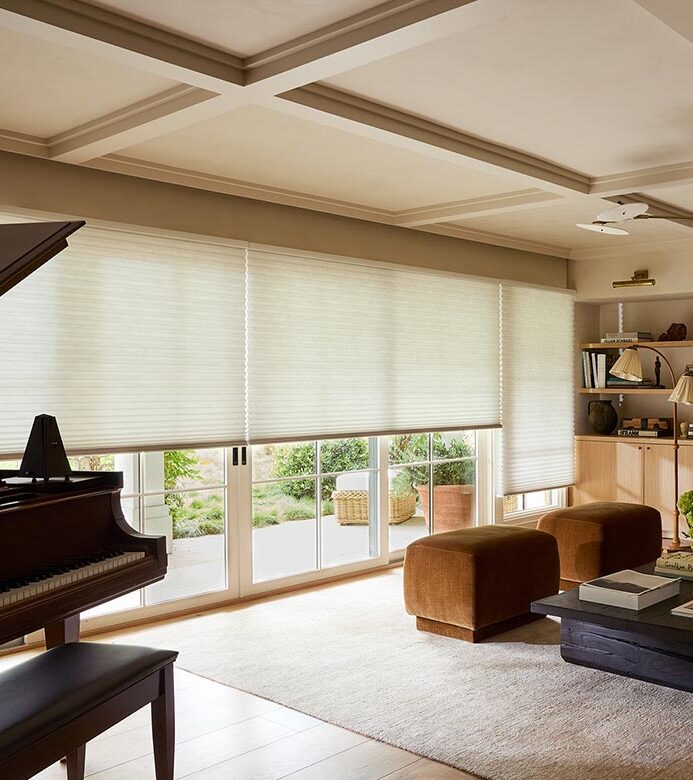 Duette® Honeycomb Shades
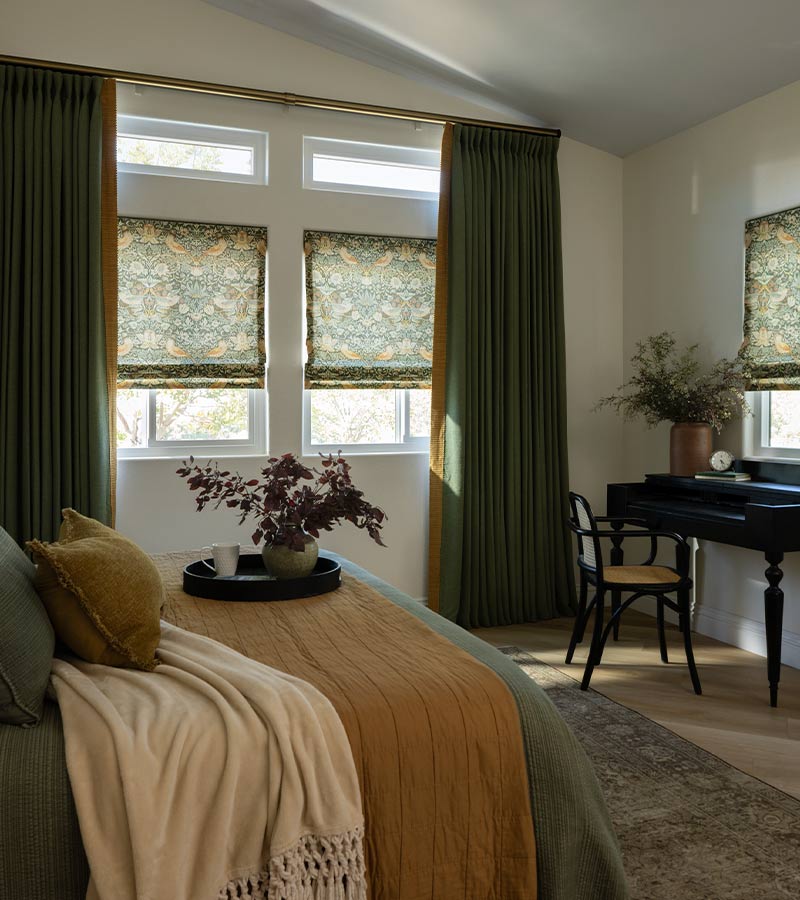
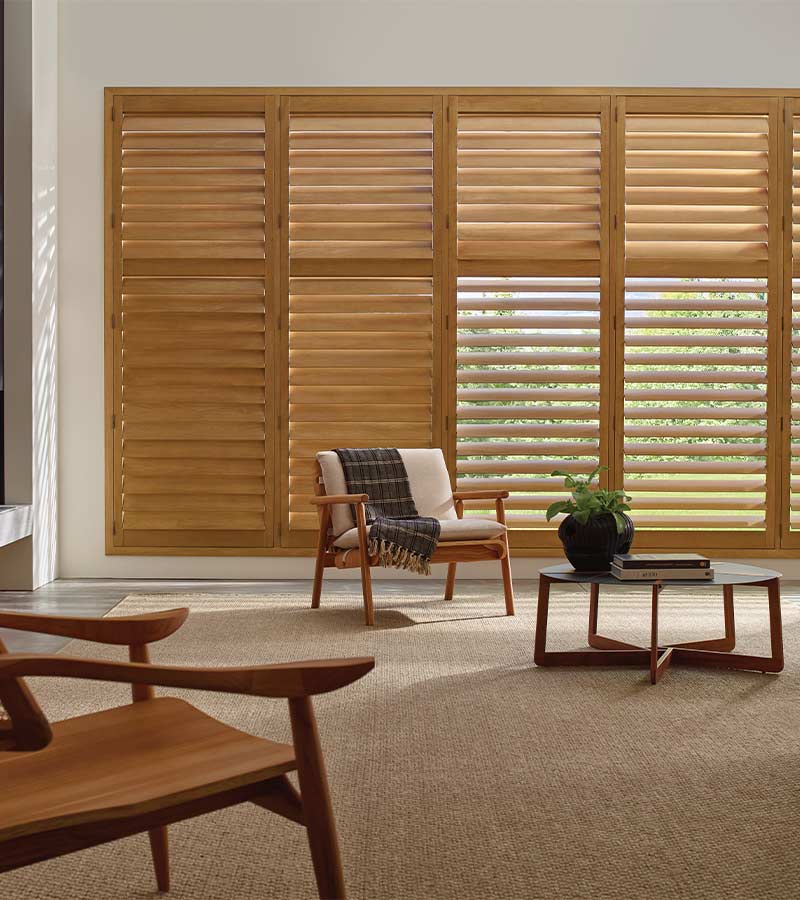
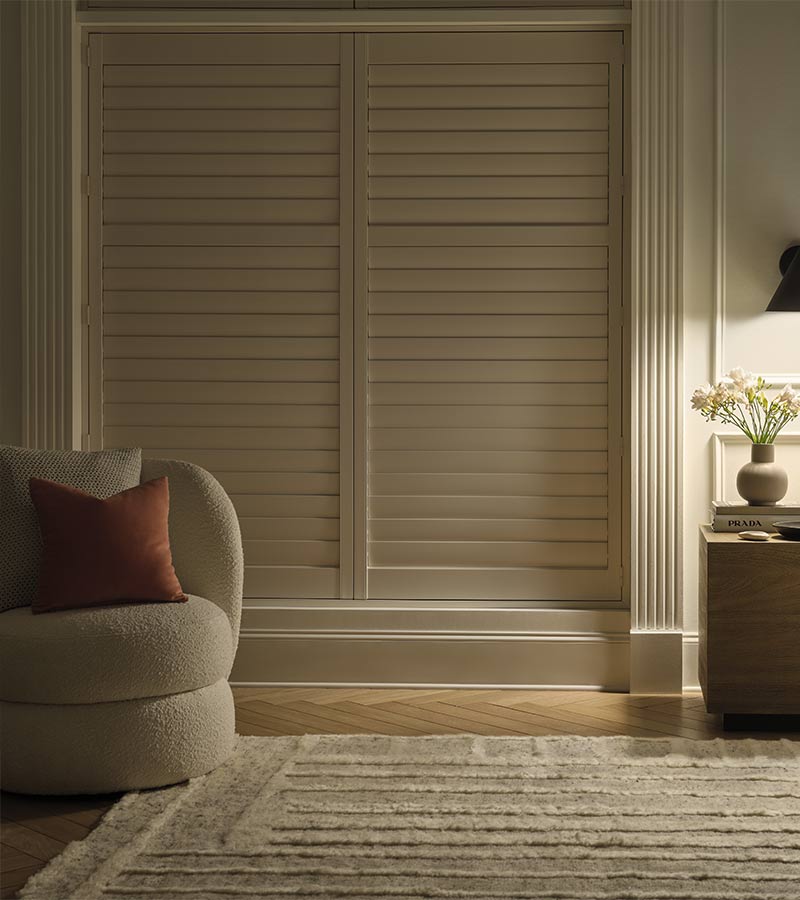
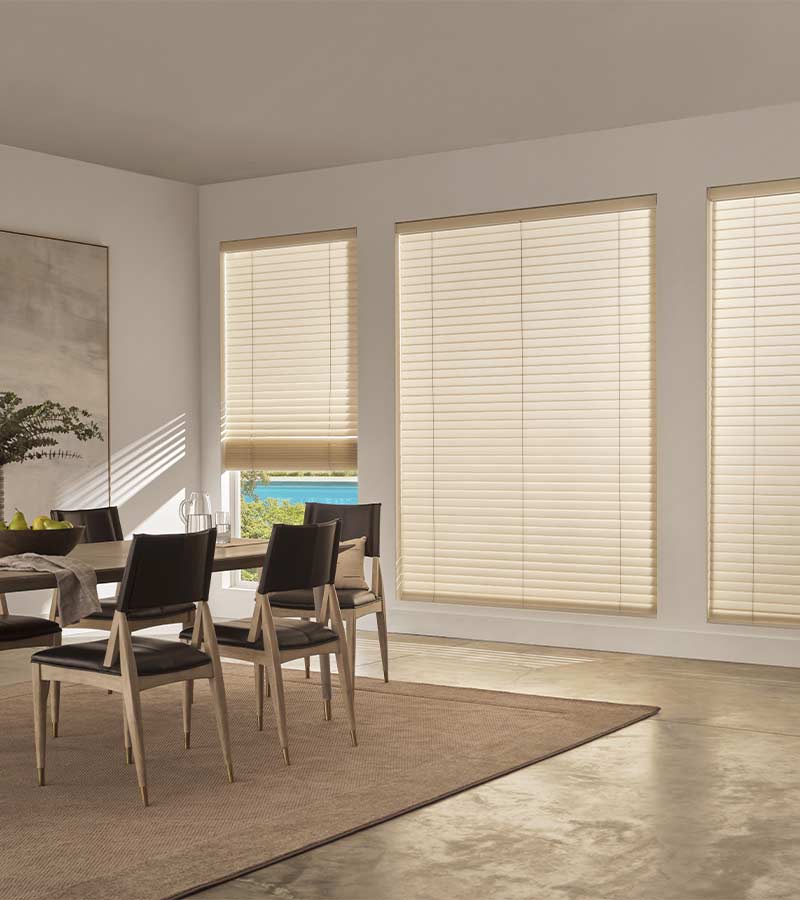
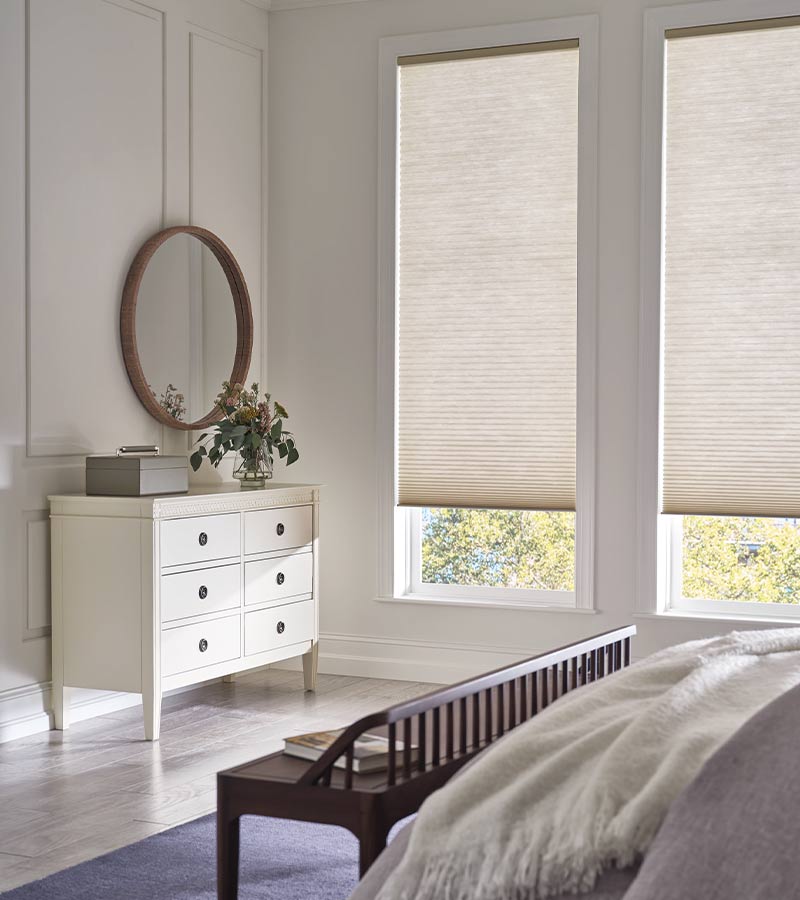


How Window Treatments Improve Energy Efficiency
By reducing heat loss in colder months and limiting solar heat gain in warmer months, custom window coverings can improve comfort year-round while helping lower energy costs.
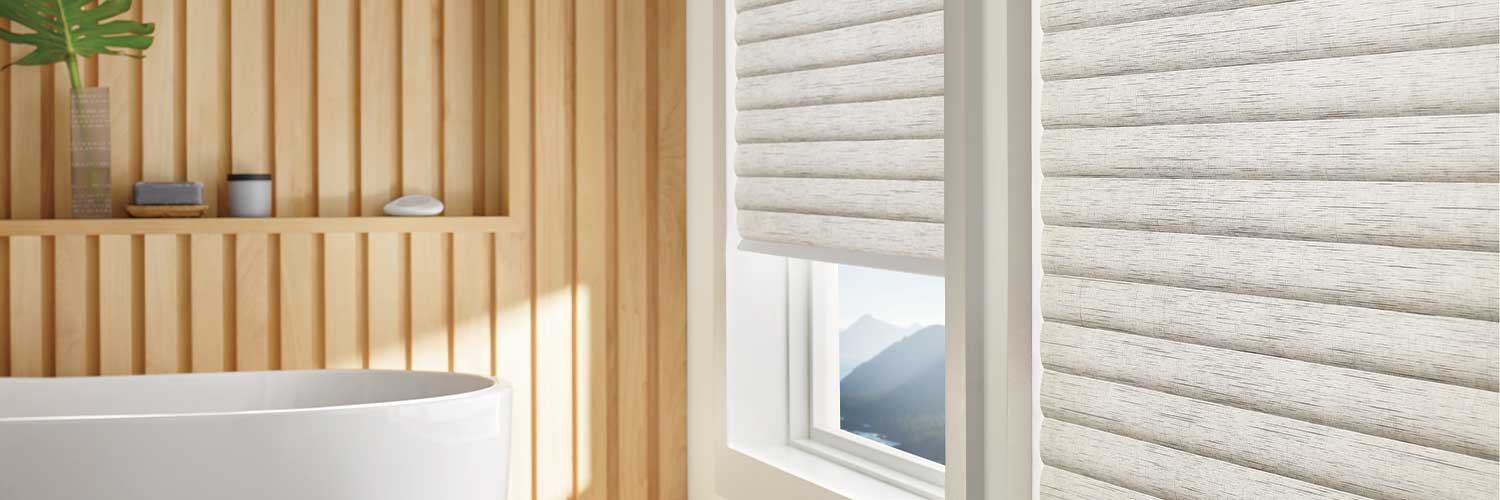
Insulating window treatments, like cellular shades, trap air at the window, while shutters, roman shades, and layered fabrics help block heat transfer and manage sunlight throughout the day. These window covering solutions are especially effective in Denver’s high-altitude climate, where sun exposure and temperature swings can strain heating and cooling systems.
How Energy-Efficient Window Treatments Work in Denver Homes
Energy loss at the window happens in two main ways: heat escaping through the glass in winter and solar heat gain during sunny months. In Denver’s climate, both can significantly affect indoor comfort and energy use. Window treatments designed for energy efficiency address these challenges by controlling sunlight and adding insulation directly at the window. Cellular shades trap air within their honeycomb structure to reduce heat transfer, while roman shades, drapery, and lined fabrics add insulating layers that slow energy loss. Shutters create a solid barrier that helps stabilize interior temperatures year-round.
When combined with options like the top down bottom up feature or motorized shades, energy-efficient window treatments can be adjusted throughout the day to reduce heat gain when the sun is strongest and maintain warmth when temperatures drop—helping lower utility costs.
Frequently Asked Questions
How can window treatments improve energy efficiency?
They do so by creating a barrier between indoor and outdoor air and temperatures at the window. This reduces radiant heat transfer and limits air flow through the glass. This insulation system keeps homes cooler in the summer and warmer in the winter by reducing energy loss and maintaining comfort.
What are the most energy-efficient window coverings?
The most energy-efficient window coverings include cellular shades like Duette® Honeycomb Shades. They trap air to insulate windows, as well as Sonnette® Cellular Roller Shades that combine insulting cellular construction with streamlined roller design. Draperies with liners and woven woods paired with secondary cellular shades help improve energy efficiency by adding layers of insulation.
Do cellular shades really insulate windows?
Yes. Cellular shades are specifically designed with a cellular structure to trap air and act as an insulating layer right at the window. It significantly reduces heat transfer and energy loss.
Can window shades reduce heating and cooling costs?
They can. By reducing heat gain in summer and heat loss in winter, energy-efficient shades can help stabilize indoor temperatures, which in turn reduces the demand on heating and cooling systems and lowers utility costs.
Are motorized shades more energy efficient?
Although the insulating properties of the shade itself provides the main energy savings, motorized shades definitely enhance efficiency by adjusting throughout the day. This can be done by a scheduled change to ensure the windows are covered at the right times to maximize comfort and energy savings.
Do energy-efficient window treatments qualify for rebates?
They do. Xcel Energy in Colorado offers cellular shade rebates for qualifying energy-efficient shades. This gives homeowner incentives on these products.
Energy Efficient Products