
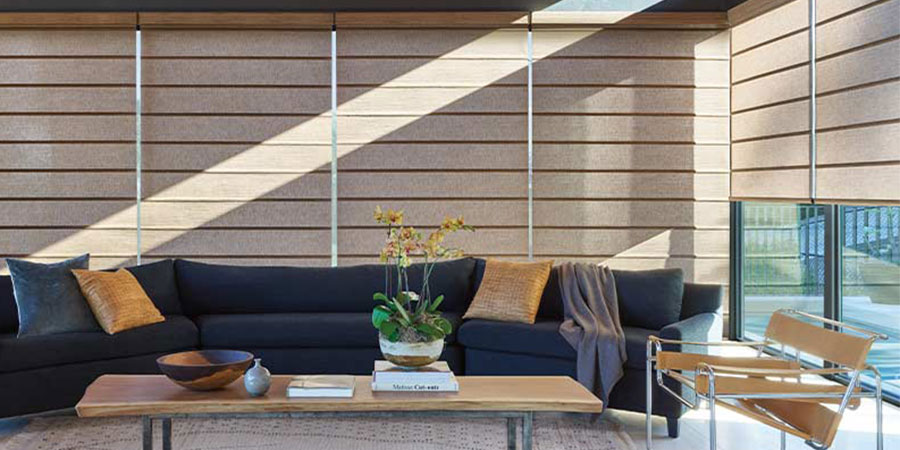
Ever wonder which direction the windows in your home face—or why it matters so much? Windows can be both a blessing and a challenge. They bring in natural light, frame Colorado views, and help rooms feel open, but the same windows can also create early morning brightness, afternoon glare, excessive heat, fading interiors, or uneven light throughout the day.
Achieving balanced light means choosing window treatments that respond to the way sunlight enters each room. East- and west-facing windows have predictable periods of intense light, while north- and south-facing windows create their own concerns. Rooms with windows facing more than one direction may need even greater flexibility.
At Rocky Mountain Shutters, Shades & Closets, we help Denver-area homeowners understand how window direction, room use, fabric opacity, and operating features work together. Here’s how to choose the right light-control solutions for every exposure in your home—no compass required.
Why Window Direction Matters
The direction a window faces influences when direct sunlight enters, how intense it feels, and how often your shades may need to be adjusted. It can also affect glare, indoor temperatures, privacy, and the amount of usable daylight in a room.
- East-facing windows receive direct morning sunlight.
- West-facing windows experience stronger late-afternoon sun and heat.
- South-facing windows typically receive the most consistent daylight throughout the day.
- North-facing windows generally receive softer, more even indirect light.
The best window covering is not necessarily the same for every window—or even for every window in the same room. Balanced light comes from matching each exposure with the right fabric, opacity, and operating system.
East-Facing Windows: Managing Morning Light
Waking with the rising sun can feel refreshing, but east-facing bedrooms can also make sleeping in nearly impossible. Early morning sunlight may interrupt sleep, create glare in a breakfast area, or brighten a home office before you are ready for it.
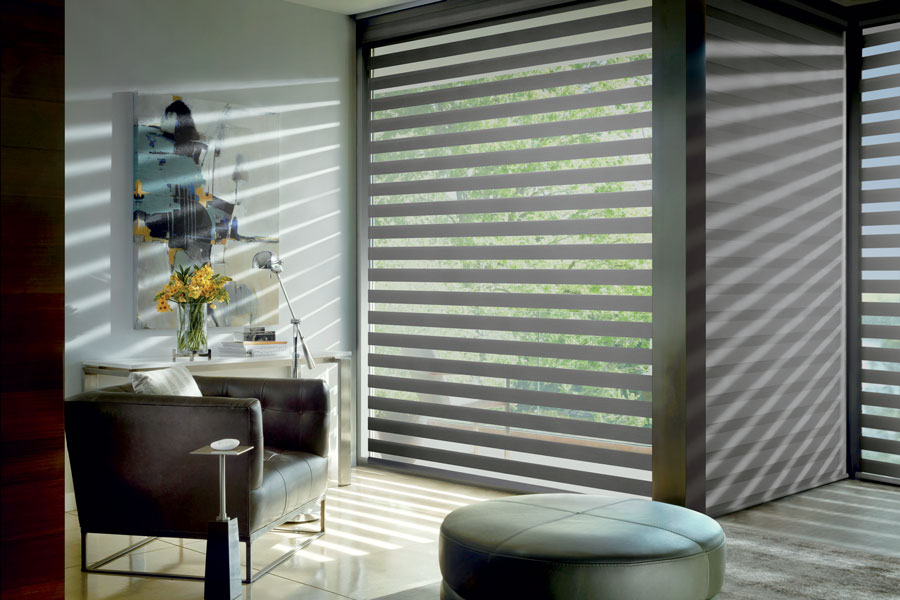
In bedrooms, room-darkening or blackout window treatments can prevent an unwanted early wake-up call. In living rooms, kitchens, and home offices, light-filtering fabrics can soften the direct rays while preserving the energizing natural light that follows.
Adjustable shades are especially helpful for east-facing windows. Designer Banded Shades, sheer shades, and dual shades allow you to reduce the intensity of direct sunlight without leaving the room dark for the rest of the day.
For bedrooms that consistently receive strong morning sun, explore our guide to the best window treatments for better sleep.
West-Facing Windows: Reducing Afternoon Heat and Glare
West-facing windows may not interrupt your sleep, but by late afternoon, the sun can become intense. Direct rays enter at eye level, create glare on televisions and computer screens, and raise the temperature in rooms just as your family is gathering for dinner or relaxing at the end of the day.
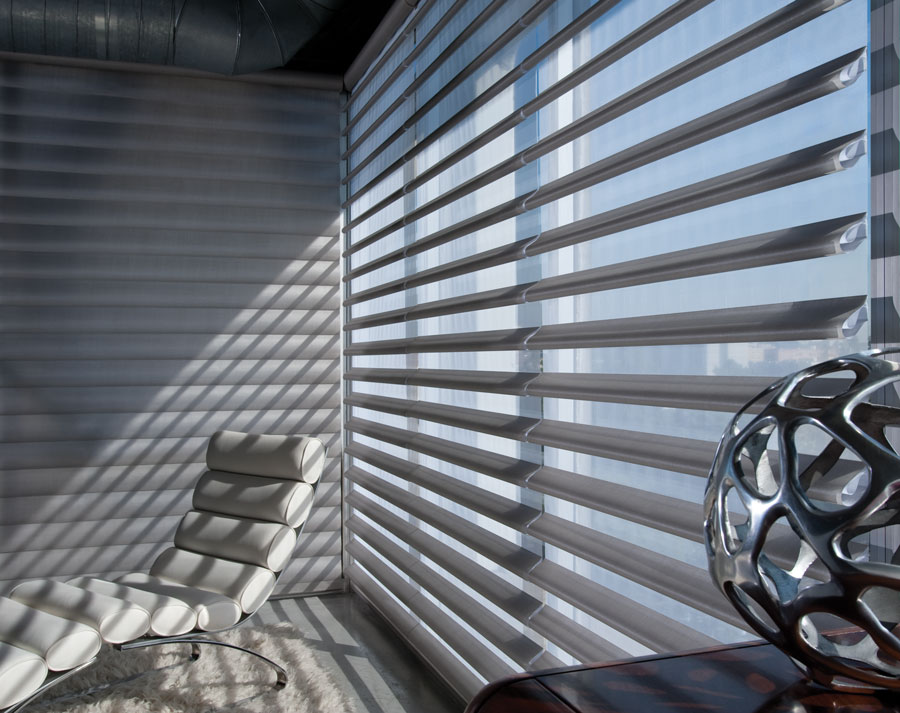
Sheer shades can soften glare and preserve the view, while solar and roller shades reduce intense light and help protect furnishings from UV exposure. If the room needs both filtered daylight and stronger coverage later, dual shades provide two levels of light control at the same window.
West-facing windows are also excellent candidates for motorized window shades. Rather than adjusting multiple windows every afternoon, you can create schedules that lower the shades before the strongest sunlight enters and raise them again as evening approaches.
For rooms with persistent afternoon discomfort, our guides to reducing window glare and protecting your home from UV damage offer additional solutions.
South-Facing Windows: Controlling Consistent Daylight
South-facing windows often receive the most consistent natural light throughout the day. That can make a room feel bright and welcoming, but prolonged exposure may also create heat buildup, fading, and uncomfortable hot spots.
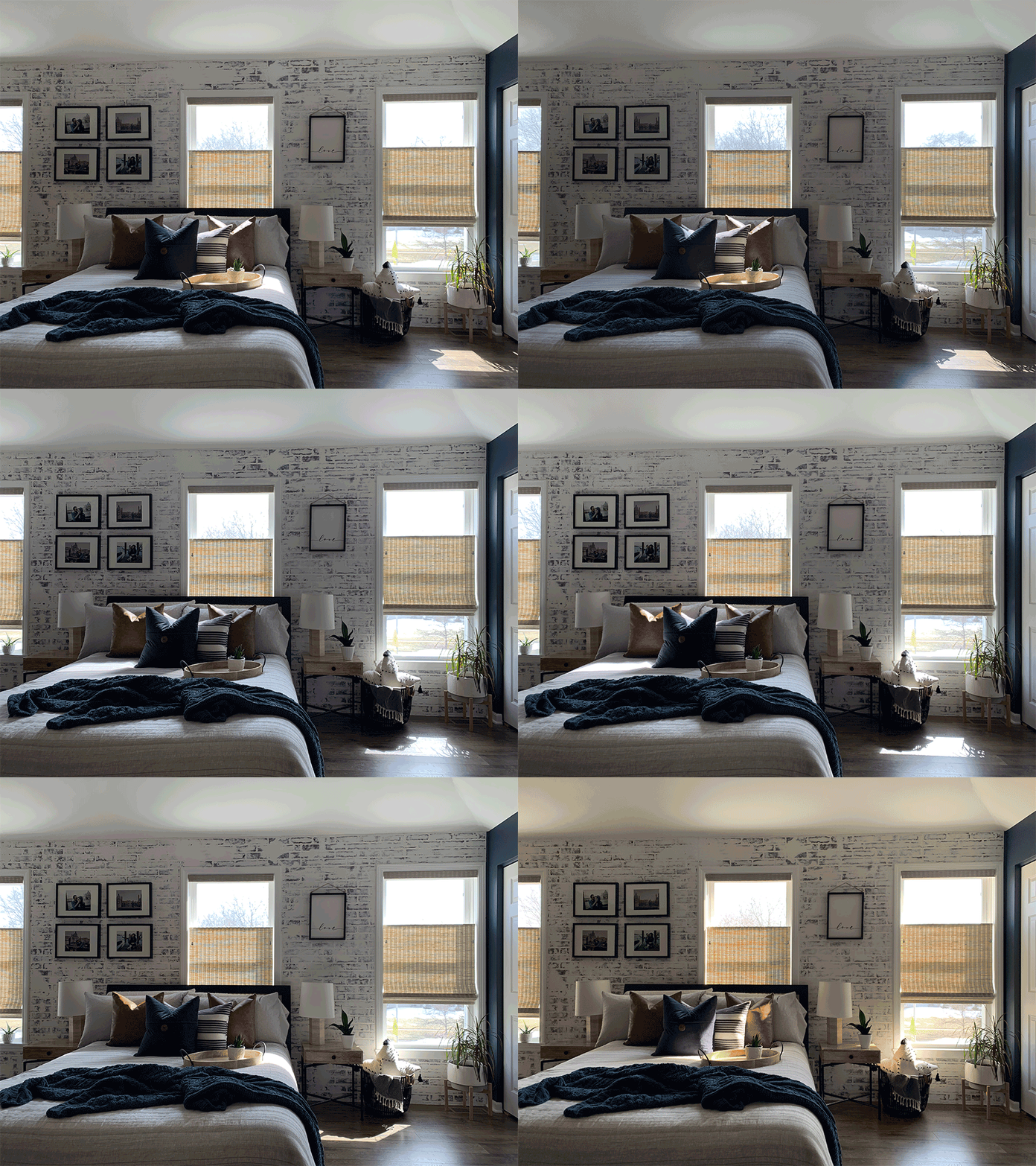
The goal with south-facing windows is often to manage the direction and intensity of the light rather than block it completely. Light-filtering shades, woven woods, and sheer fabrics can create a softer atmosphere while helping protect floors, artwork, and furnishings.
Top-down bottom-up shades are especially useful for this exposure. Lowering the shade from the top allows daylight to travel across the ceiling and deeper into the room while keeping direct rays out of your eyes and maintaining privacy below.
For rooms that also experience temperature changes, consider pairing flexible light control with energy-efficient window solutions.
North-Facing Windows: Making the Most of Soft, Indirect Light
North-facing windows generally receive soft, indirect daylight instead of intense direct sun. This even light is often comfortable and consistent, but some north-facing rooms can feel cooler or dimmer—especially during winter or when exterior landscaping blocks part of the window.
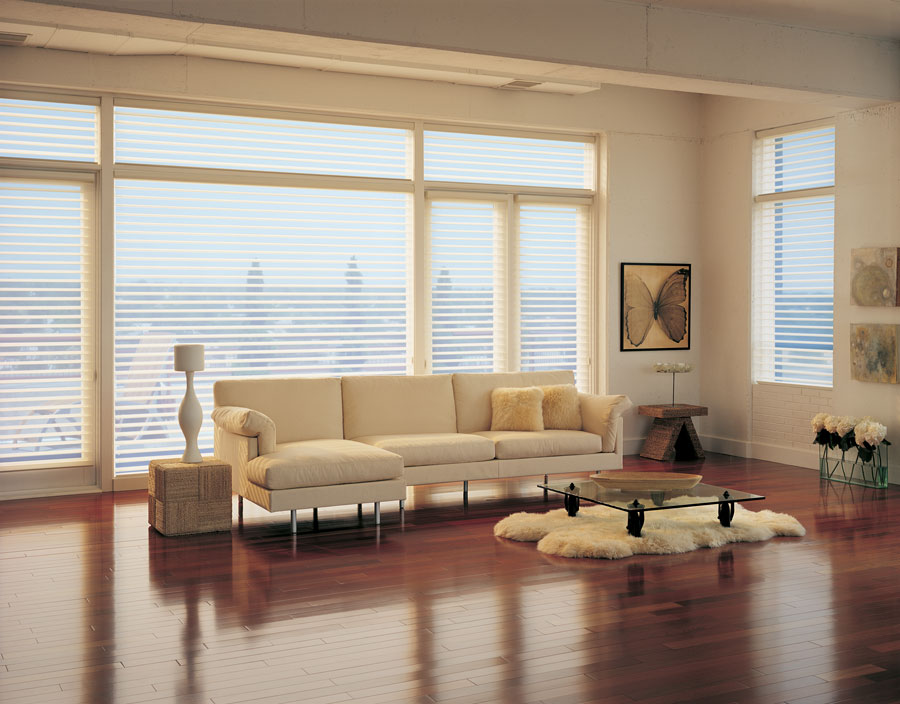
For north-facing windows, the goal is often to maximize usable natural light while adding privacy and softness. Sheer shades, translucent honeycomb shades, and light-filtering Roman shades work well because they brighten the room without introducing harsh glare.
Adjustable fabric vanes, such as those found in Silhouette® Window Shades and Pirouette® Shades, allow you to direct light farther into the room while preserving a view and reducing visibility from outside.
Rooms with Windows Facing More Than One Direction
Some of the most challenging rooms have windows on two or more walls. A living room may receive morning light through east-facing windows, steady daylight from the south, and intense afternoon sun through a west-facing patio door. The lighting conditions can change completely from one side of the room to the other.
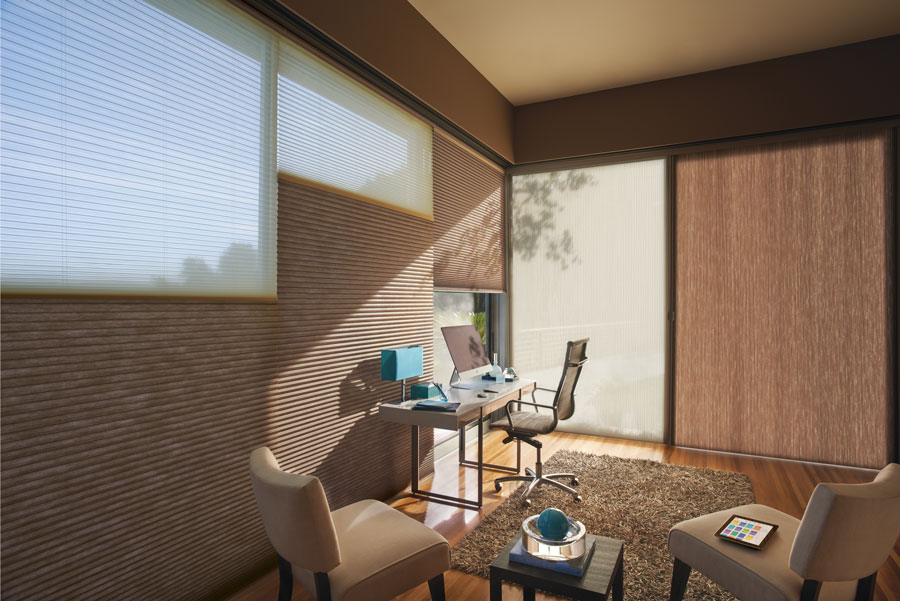
In these spaces, every window does not necessarily need the same opacity or operating schedule. Coordinating fabrics can create a cohesive design while allowing each window to solve a different problem.
For example:
- East-facing windows may use light-filtering fabrics to soften morning brightness.
- West-facing windows may need solar or room-darkening fabrics for afternoon glare.
- Street-facing windows may benefit from top-down privacy.
- Large or hard-to-reach windows may need motorization.
- Windows that need both daylight and darkness may benefit from dual shades.
Duolite® and other two-in-one shade systems provide a particularly flexible solution. A light-filtering shade remains available for everyday use, while a secondary room-darkening shade lowers when stronger coverage is needed.
How Daylighting Brings Natural Light Deeper into Your Home
Daylighting is the practice of using natural light to illuminate interior spaces without allowing uncontrolled brightness, glare, or heat. The goal is not simply to expose the entire window. It is to guide sunlight into the room in a more useful way.
Direct Light from Above
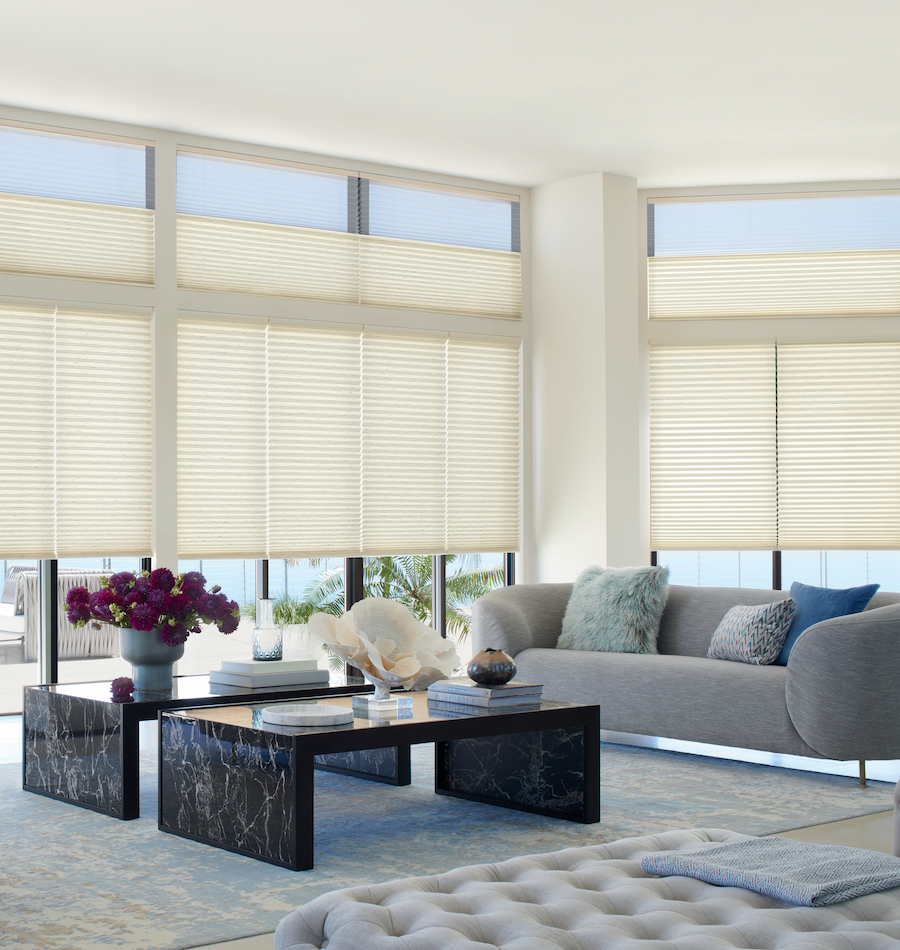
Top-down shades allow natural light to enter near the ceiling, where it can spread across the room. The lower portion of the window stays covered for privacy, glare reduction, and UV protection.
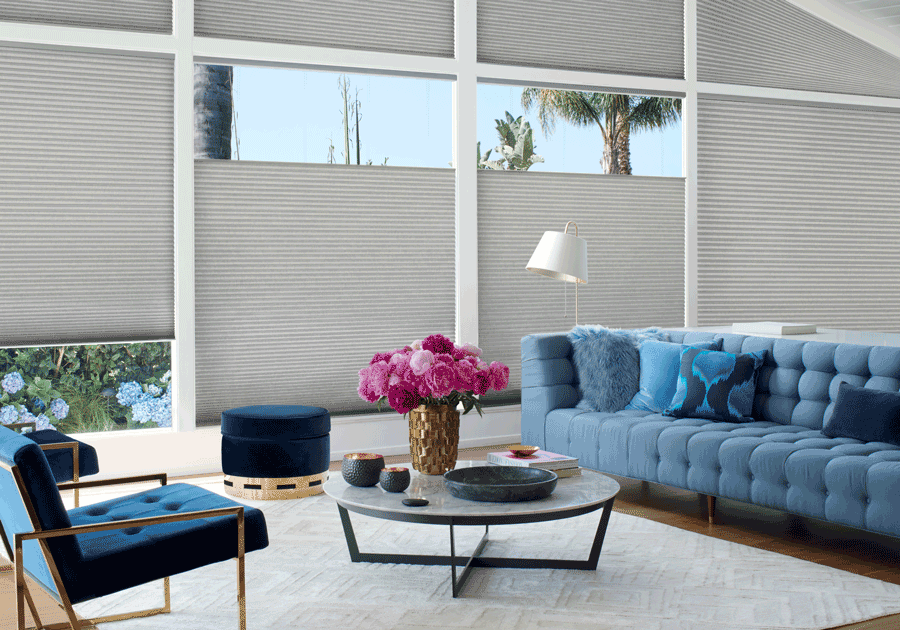
Use Adjustable Vanes and Louvers
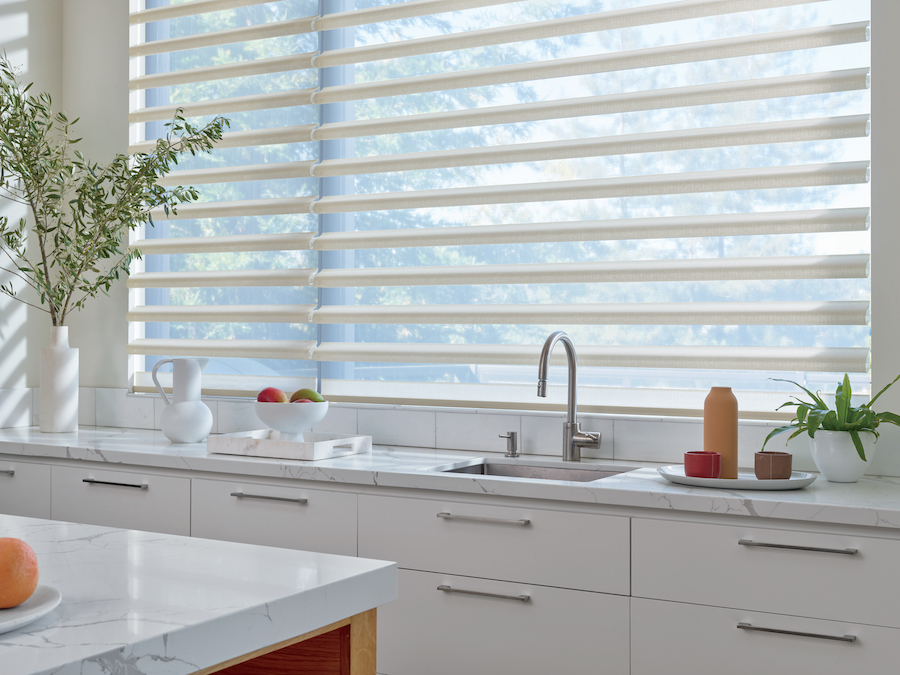
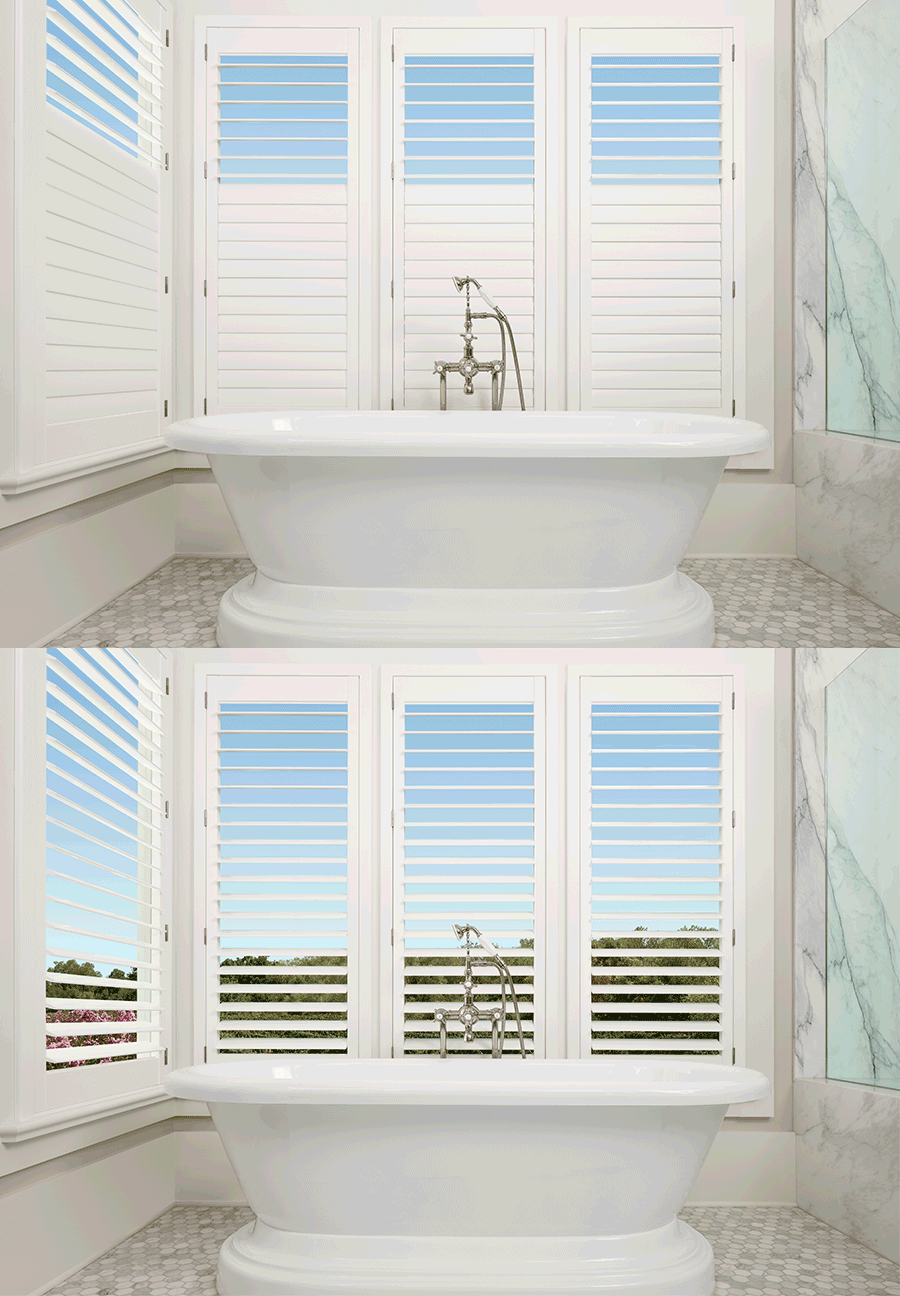
Shutters, blinds, and sheer shades can direct light instead of simply opening or closing. Tilting louvers, slats, or fabric vanes upward helps move daylight deeper into the space while keeping direct rays out of your eyes.
Choose Light-Filtering and Sheer Fabrics
Light-filtering fabrics diffuse sunlight, reducing harsh contrast while filling the room with a soft glow. Sheer shades can also preserve outdoor views and help reduce glare, making them a strong option for living rooms, dining rooms, kitchens, and offices.
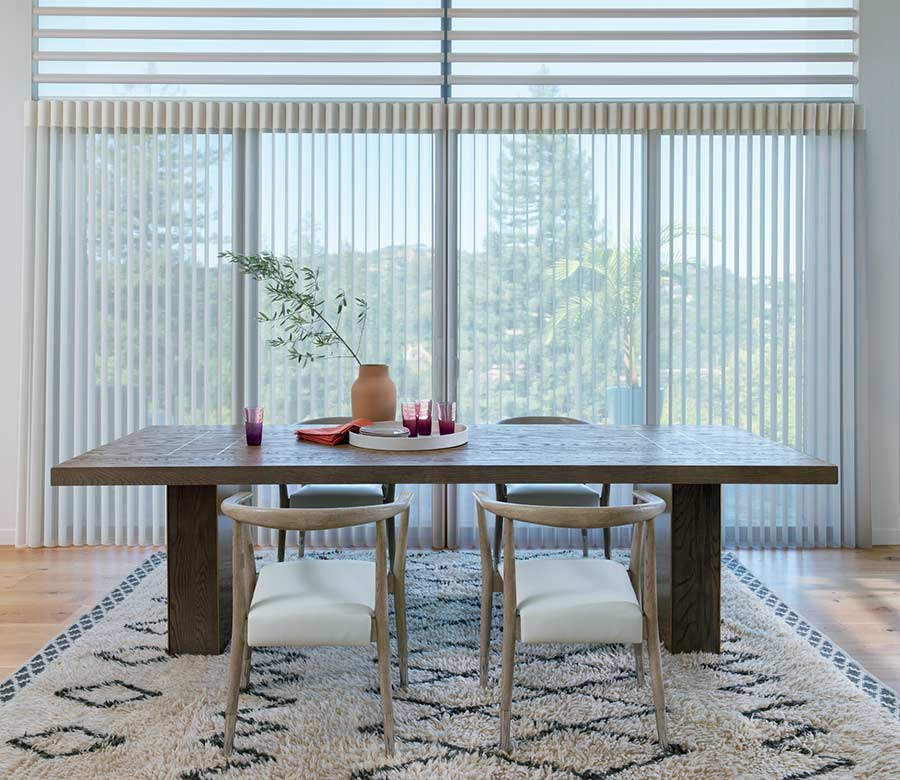
For a closer look at opacity choices, explore our guide to light-filtering and room-darkening shades.
Features That Reduce Constant Shade Adjustments
As sunlight moves throughout the day, manually adjusting every shade can become frustrating. The right features can help maintain balanced light with far less effort.
Motorized and Automated Shades
Motorization allows you to adjust multiple windows with a remote, app, or voice command. You can also create schedules based on the time of day, helping east-facing shades open after the strongest morning light or west-facing shades close before afternoon glare arrives.
Top-Down Bottom-Up Operation
Top-down shades often remain in one useful position for much of the day. They bring light in from above while maintaining privacy and reducing direct glare below, which means fewer adjustments may be needed.
Dual Shades
Dual shades combine two light-control options at one window. Use the light-filtering portion during the day, then lower the secondary room-darkening shade when direct sunlight, privacy, or sleep becomes the priority.
Additional Ways to Brighten a Dark Room
Window treatments have the greatest influence on how natural light enters, but a few design choices can help that light travel farther through the room:
- Use mirrors and reflective surfaces to bounce light across the space.
- Choose lighter wall colors in rooms with limited exposure.
- Move tall furniture away from windows when it blocks incoming light.
- Trim exterior shrubs or branches that cover the glass.
- Layer ambient, task, and accent lighting for cloudy days and evenings.
These changes work best when paired with window coverings that soften harsh sunshine rather than eliminating daylight altogether.
How to Choose Window Treatments by Room and Exposure
Before choosing fabrics or operating systems, consider both the direction of the windows and the way each room is used:
- Bedrooms: East-facing rooms often need room darkening; west-facing rooms may need heat control.
- Home offices: Prioritize glare reduction while preserving useful daylight.
- Living rooms: Look for flexible solutions that protect views and adapt throughout the day.
- Dining rooms: Use adjustable light control to prevent direct rays during meals.
- Media rooms: Select room-darkening or blackout features for screen visibility.
- Bathrooms: Balance natural light with privacy-focused fabrics or top-down operation.
If your home has oversized glass or a wall of windows, explore our solutions for large and floor-to-ceiling windows.
Balanced Light Is the Answer
Balanced light is about more than making a room brighter or darker. It is about creating the right atmosphere throughout the day while protecting your privacy, comfort, views, and interiors.
By evaluating window direction, room function, fabric opacity, and operating features, you can choose custom window treatments that work with the sun instead of constantly reacting to it.
Our designers can evaluate how natural light moves through your Denver-area home and recommend solutions for each exposure. Visit one of our showrooms, browse our full collection of custom window treatments, or schedule your free consultation today.
